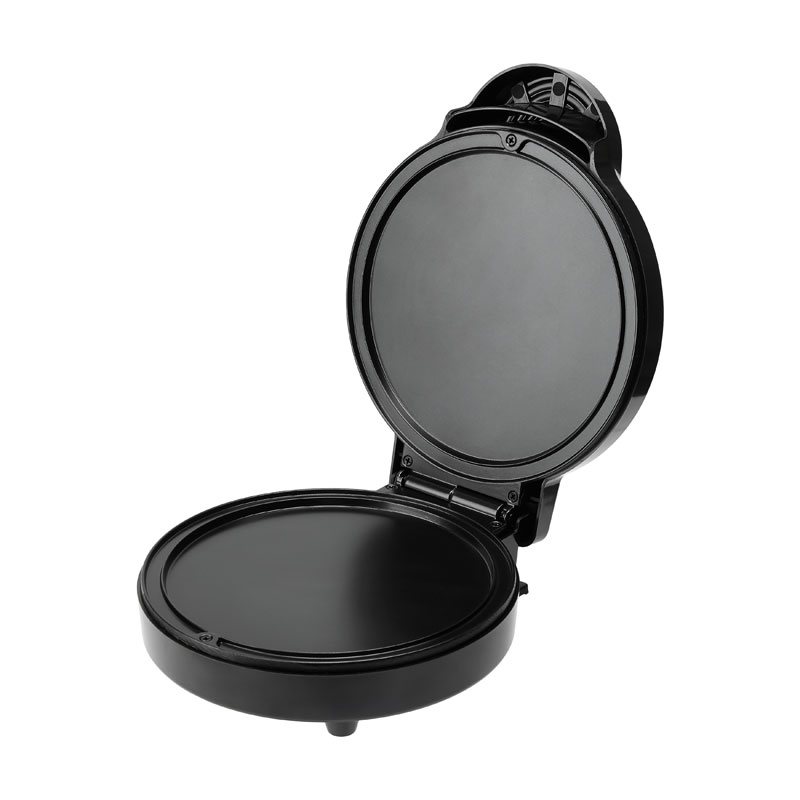
Does the coating material of the baking tray in an electric pizza maker affect the taste of the pizza?
The coating material of an electric pizza maker's baking tray can indeed affect the taste of the pizza, specifically in the following aspects:
Heat conduction: Different coating materials have varying heat conduction efficiency. Generally, aluminum alloy and stainless steel have good thermal conductivity, allowing food to heat quickly and ensuring the pizza crust is baked evenly. Some coatings may slow down heat transfer, which can affect the baking results.
Non-stick performance: The non-stick property of the coating directly influences how easily the pizza can be flipped and removed. If the coating has good non-stick performance, the pizza is less likely to stick to the tray, maintaining its shape and integrity, making it easier to cut and eat. Conversely, low-quality coatings might cause the pizza to stick, affecting its appearance and taste.
High-temperature resistance: The baking tray's ability to withstand high temperatures is also important. Some low-quality coatings may release harmful substances at high temperatures or even affect the pizza's flavor. Therefore, it is crucial to choose a coating material that is heat-resistant and food-safe.
Maintenance and cleaning: The wear resistance and ease of cleaning of the coating material affect post-use maintenance. A tray that is easy to clean encourages more frequent use, reducing odors or residue from incomplete cleaning, thereby impacting the actual taste of the pizza.
Chemical properties of the material: Some coatings may contain anti-stick agents or other chemical components, which can react with the pizza at high temperatures, affecting its flavor and taste.
In summary, the coating material of an electric pizza maker's baking tray does influence the taste, appearance, and overall eating experience of the pizza. Therefore, when choosing an electric pizza maker, it is recommended to pay attention to the material and type of coating of the tray to ensure the preparation of delicious and enjoyable pizza.