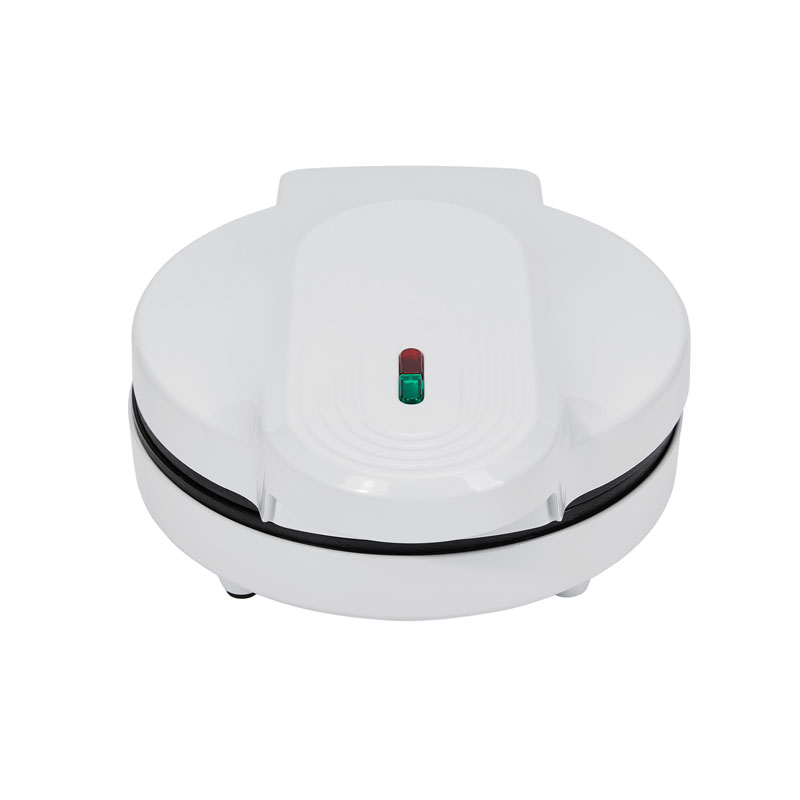
How a Home Pizza Maker Works
The working principle of a home pizza maker is primarily based on electric heating and air circulation technology, simulating the heating method of a traditional pizza oven or brick kiln to achieve even heating of the bottom and top of the pizza. Generally, the working principle of a home pizza maker can be divided into the following parts:
1. Heating Elements
Pizza makers are usually equipped with upper and lower heating elements, which convert electrical energy into heat energy. The bottom heating element is mainly used to heat the bottom of the pizza, making it crispy; the top heating element is used to bake the top of the pizza, ensuring that the toppings are cooked through and the surface is golden brown.
High temperature allows the pizza to cook quickly while maintaining the crispness of the bottom.
2. Hot Air Circulation
Many home pizza makers have built-in fans or hot air circulation systems. Through this system, hot air circulates inside the pizza maker, ensuring even heat distribution so that all parts of the pizza are heated evenly.
The effect of hot air circulation is similar to convection heating in an oven, effectively preventing uneven heating of the pizza and ensuring that the pizza is baked quickly and evenly.
3. Temperature Adjustment and Timer Function
Most home pizza makers are equipped with a temperature control system, which allows you to adjust the temperature according to different recipes. The typical temperature range is between 200-250 degrees Celsius, suitable for baking most pizzas.
Pizza machines usually also come with a timer, allowing users to set the appropriate baking time based on the pizza's thickness and toppings. The machine automatically stops when the timer expires.
4. Heating Stone and Base Design
Some pizza machines have a baking stone or ceramic baking pan on the bottom, similar to traditional pizza bricks. This helps improve heat conduction efficiency, allowing the pizza bottom to crisp up faster and more evenly.
The baking stone design simulates the effect of a traditional pizza oven, helping to make the pizza bottom crispier while maintaining even heat distribution.
5. Baking Space and Design
Home pizza machines are generally designed with a sealed baking space, effectively isolating the pizza from outside air and retaining heat. This makes the pizza less susceptible to temperature fluctuations during baking.
The internal space of the machine affects the maximum pizza size. Some pizza machines support baking 12-inch or larger pizzas, with enough space to accommodate the entire pizza while ensuring even heating.
6. Heat Conduction and Radiant Heating
Pizza machines heat pizzas not only through heat conduction from the heating elements but also utilize a degree of radiant heating, especially the top heating element which radiates heat to the pizza surface, promoting a golden-brown and melted appearance for the toppings. This combination of heat conduction and radiant heating keeps the pizza crispy on the outside while maintaining a moist interior.
In summary, the working principle of a home pizza machine essentially involves using upper and lower heating elements and a fan circulation system, combined with high temperature and even heating, to quickly bake the pizza, ensuring a crispy bottom and thoroughly cooked toppings. Temperature control and timer functions allow users to adjust the baking effect according to different needs, achieving the ideal baking result.